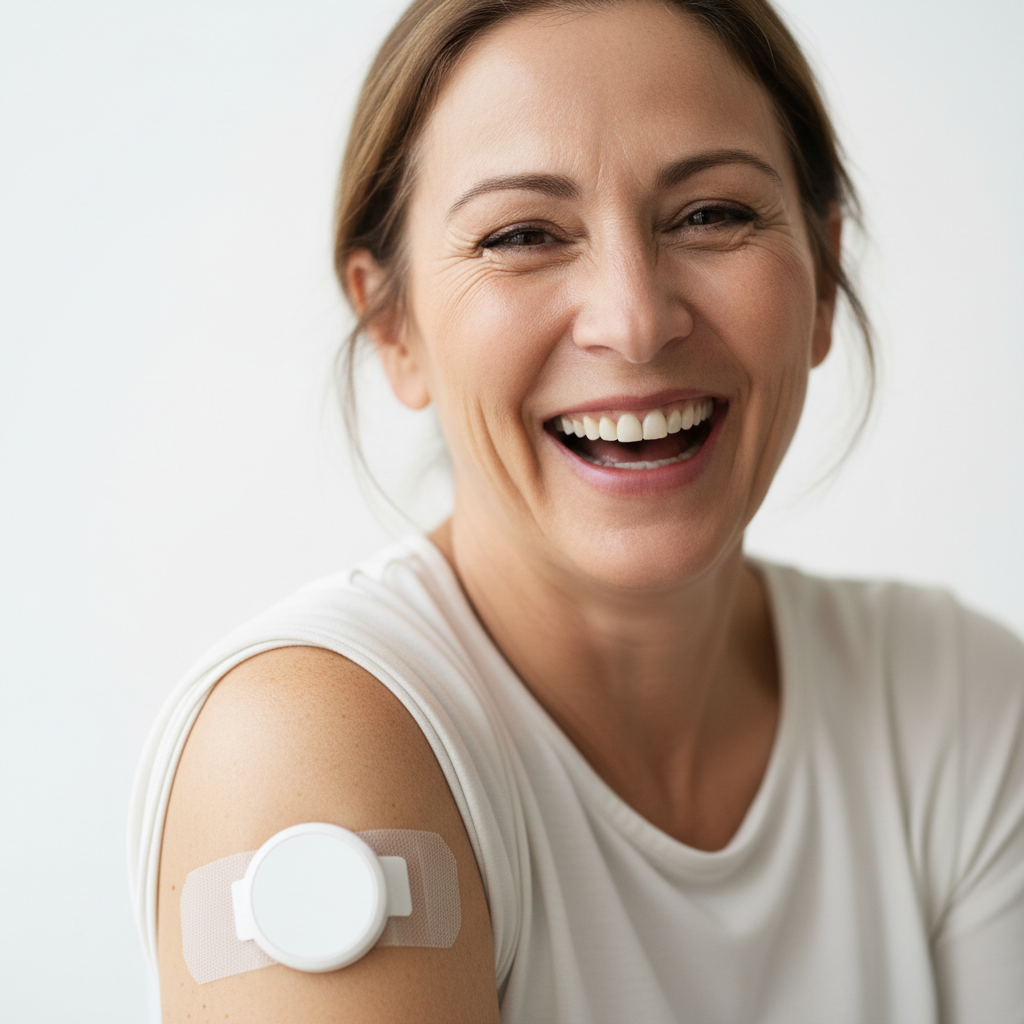
Live CGM Reading
Post-walk glucose — trending flat
Exercise Coaching for Blood Sugar Control
"I stopped fearing
the meter."
Regulate pairs every squat, walk, and resistance band pull to your glucose response — so the CGM arrow finally goes flat after you move, not up.
94%
reduce post-meal spikes
−1.4
avg A1C drop in 12 weeks
3 types
T1 · T2 · Pre-diabetic
Endorsed by endocrinologists · CGM-integrated programming · No insulin required to start
Real People · Real Numbers
Twelve bodies. Twelve starting points.
One direction.
Every face anchors a science lesson. Scroll through to see how the research plays out in real life.
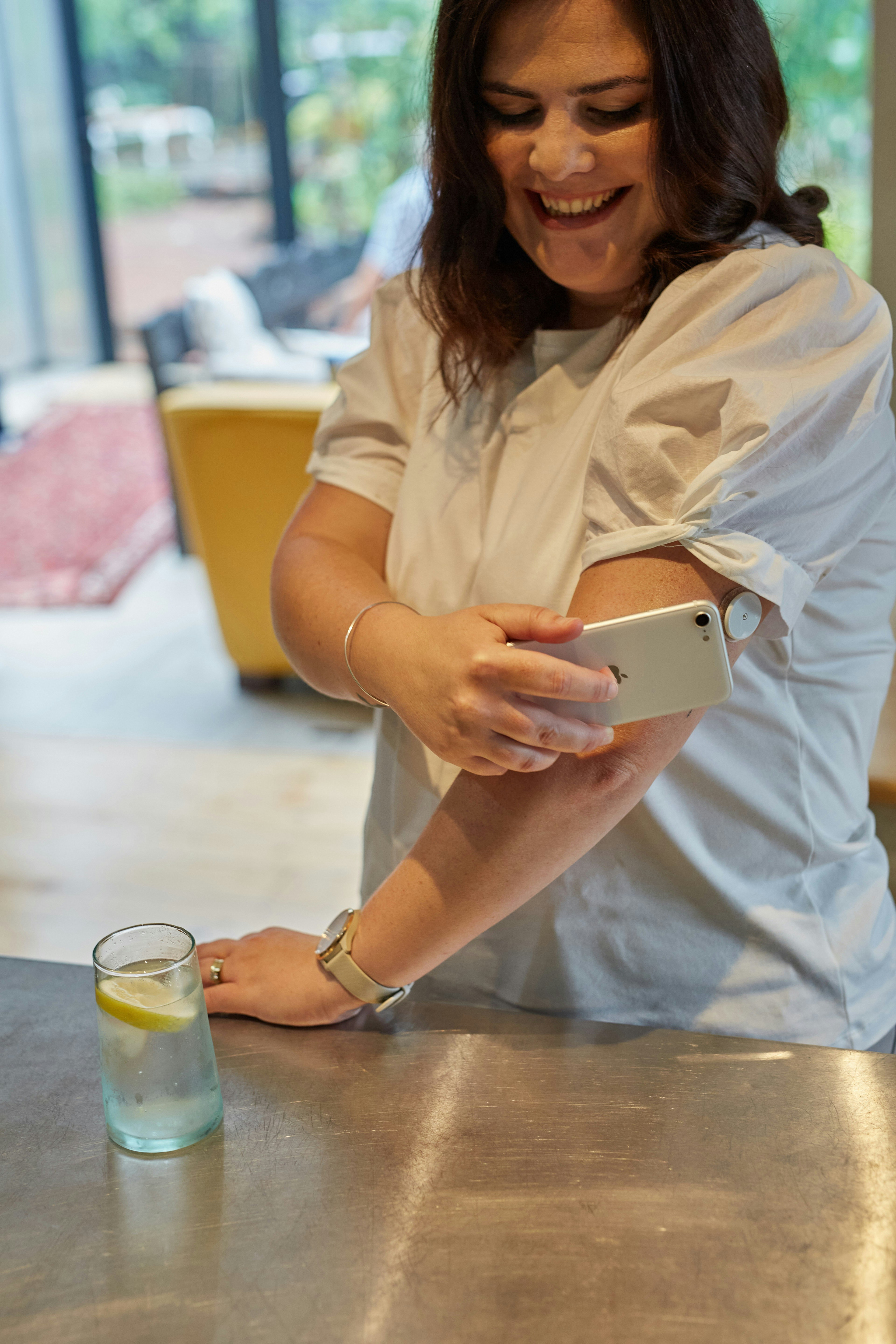
CGM Active
Sensor worn
Margaret Osei
54 · Atlanta, GA · Diagnosed 2022
"My doctor told me I had six months before insulin. Regulate bought me two years — and counting."
Why squats beat statins for insulin sensitivity
Resistance training creates micro-tears in muscle fibers that, during repair, dramatically increase GLUT4 transporter density — the molecular door that lets glucose enter cells without insulin. A single 20-minute session can improve insulin sensitivity for up to 48 hours.
+38%
insulin sensitivity after 8 weeks of resistance training
Evidence-Based Programming
The physiology behind the flat line
Every Regulate session is designed around three mechanisms. Here's the science without the jargon.
Resistance Training
Squats create insulin doors
Resistance exercise increases GLUT4 transporter density in muscle cells — letting glucose enter without waiting for insulin. The effect persists for 48 hours post-session.
+38%
insulin sensitivity
Post-Meal Timing
Walk timing beats walk duration
A 15-minute walk started within 30 minutes of eating reduces peak glucose by 22 mg/dL on average — more than a 45-minute walk taken three hours later.
−22 mg/dL
peak glucose reduction
HIIT vs Steady-State
The spike that earns a longer flat
HIIT briefly raises glucose via cortisol — but triggers 3× more AMPK activation than steady-state cardio, producing a prolonged glucose-clearing effect that lasts hours after the session ends.
3×
AMPK activation vs. steady-state
Referred by endocrinologists at major diabetes centers across the U.S. — because exercise prescription requires the same precision as medication titration.
Start Your ProtocolFirst Session Free
Book Your Glucose Strategy Session
Three questions. Two minutes. A personalized exercise protocol built around your CGM data.
What best describes your situation?
This helps us match you with the right session structure.
Free Protocol
The Post-Meal Walk Protocol
15 minutes · Any fitness level
CGM-validated
Not Ready to Book? Start Here.
Download the Post-Meal Walk Protocol
The exact 15-minute walking sequence that flattens post-meal glucose spikes — tested across 200+ Regulate clients with CGM data to prove it.
- When to start walking after eating (the 30-minute rule)
- Pace and duration by meal size
- How to read your CGM response in real time
- The modification for rainy days (indoor protocol)
No spam. Unsubscribe in one click.